The National Authority for Probity, Prevention and Fight Against Corruption


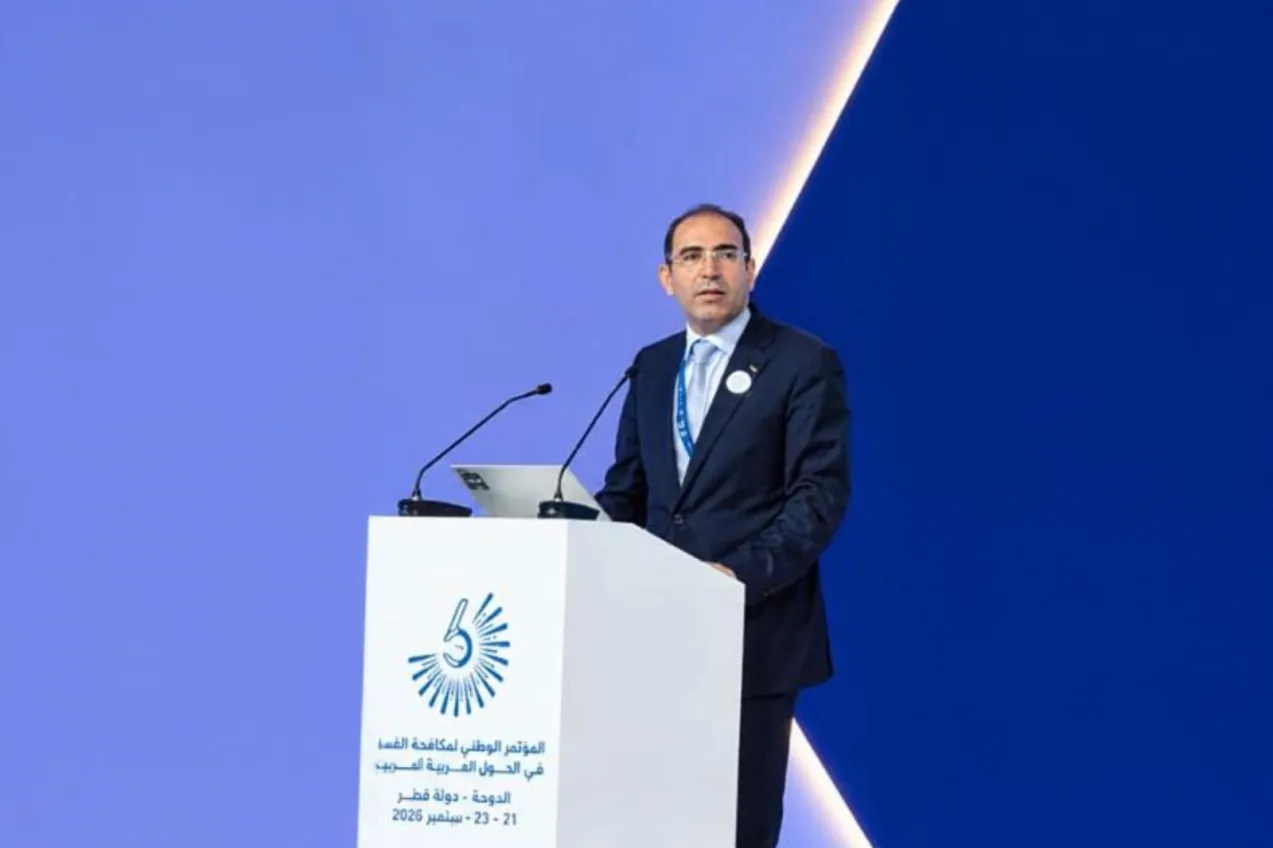
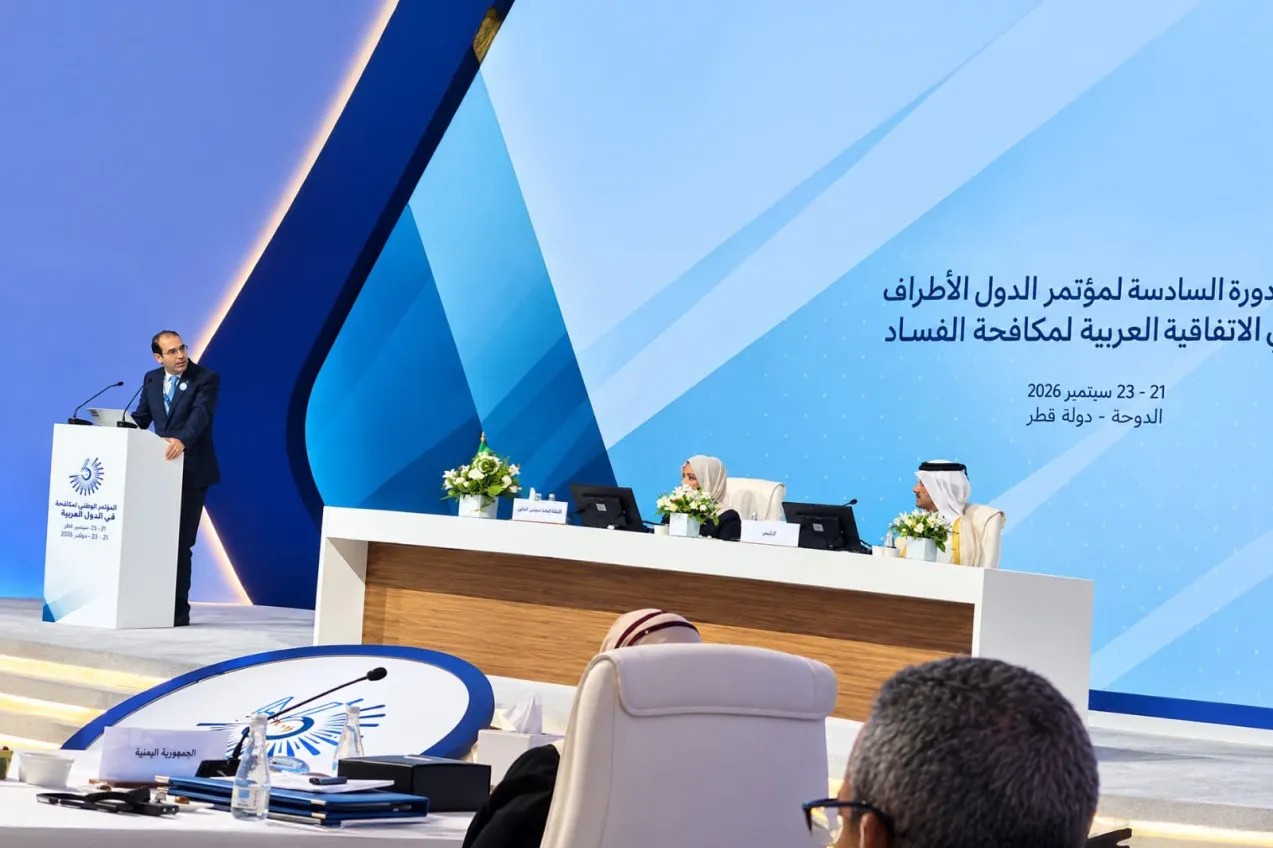
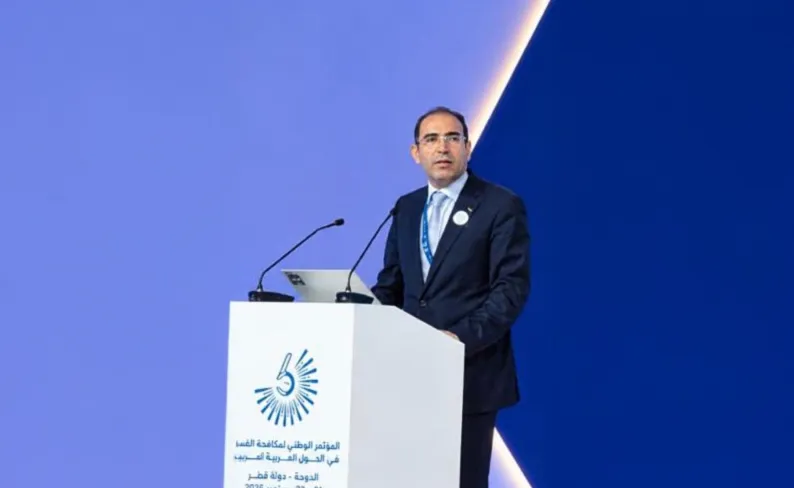
The Kingdom of Morocco called in Doha for a qualitative shift in joint Arab anti-corruption action at the Conference of the States Parties to the Arab Anti-Corruption Convention. Morocco called for effective implementation of commitments, measurement of results and stronger, sustained institutional cooperation. This approach is intended to increasingly address complex corruption risks, interconnected financial flows and the rapid evolution of information technologies.
Speaking on behalf of the Kingdom of Morocco, Mohamed Benalilou, Chairman of the National Authority for Probity, Prevention and fight against Corruption (INPPLC), said that the key challenge nowadays is to develop a collective response able of turning the Arab Anti-Corruption Convention into an effective instrument for protecting development, upholding the rule of law and strengthening trust in institutions. He stressed that the priority is no longer to reaffirm what has already been agreed, but to move “from commitment to implementation, and from agreement on principles to joint action that delivers results.”
Mr. Benalilou also added that the focus in the next phase should be on interconnected priorities: activating the Convention’s mechanisms, strengthening corruption prevention, and ensuring the monitoring and evaluation of shared commitments. He stressed the importance of swiftly operating the Implementation Review Mechanism of the Arab Anti-Corruption Convention. Such a mechanism would allow for an objective assessment of implementation, identify progress and gaps, strengthen national capacities, and foster a culture of mutual evaluation and shared learning, with full respect for national specificities.
The INPPLC Chairman pointed out that, under the leadership of His Majesty King Mohammed VI, May God Assist Him, Morocco has made the promotion of integrity and the prevention and fight against corruption an issue for both the State and society. This approach links the strengthening of the rule of law with the protection of the country’s development goals. He highlighted the central role of prevention, not as an alternative to accountability, but as an institutional capacity to forecasting risks, addressing vulnerabilities, and safeguarding public decision-making and public management.
In the same context, Mr Benalilou called for stronger Arab cooperation against corruption. He advocated moving from exchanging experiences to developing joint initiatives, from separate national efforts to joint complementarity, and from occasional cooperation to sustained institutional cooperation. He reaffirmed Morocco’s readiness to remain actively engaged in Arab anti-corruption efforts, share its expertise, and contribute to developing the Convention’s mechanisms and implementing the decisions adopted under its framework.
Concluding Morocco’s statement, the INPPLC Chairman declared that the success of the session would be measured not only by the decisions adopted, but also by its ability to generate new momentum. The Conference of the States Parties should serve as a platform for guiding collective action, while Arab cooperation should become a regular institutional practice with tangible impact. The Chairman stressed that the strength of the Arab Anti-Corruption Convention will depend on the ability of States Parties to “turn its provisions into practice, its commitments into policies, and its decisions into results.”
The Kingdom of Morocco expressed its hope that the session would mark a transition “from establishing the framework to activating its mechanisms, from affirming political will to organizing action, and from declared cooperation to cooperation that delivers impact.” This would support development efforts, uphold the rule of law and strengthen trust in institutions.
Latest news
23/09/2026
The Kingdom of Morocco called in Doha for a qualitative shift in joint Arab anti-corruption action at the Conference of the States Parties to the Arab Anti-Corruption Convention. Morocco called for e…
10/09/2026
The President of the National Authority for Probity, Prevention and the Fight against Corruption held talks with the Ombudsman of Hong Kong. For further details, please refer to the articl…
09/09/2026
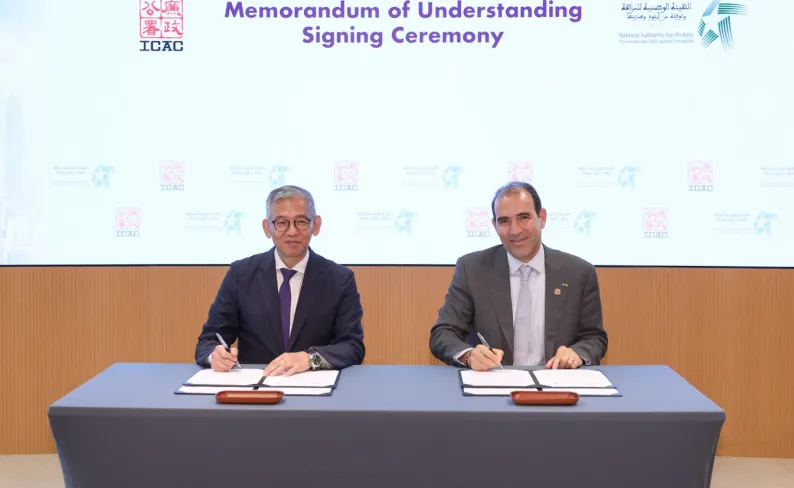
Mohamed Benalilou, Chairman of the National Authority for Probity, Prevention and Fight against Corruption (INPPLC), and Danny Woo, Commissioner of Hong Kong’s Independent Commission Against Corrupti…